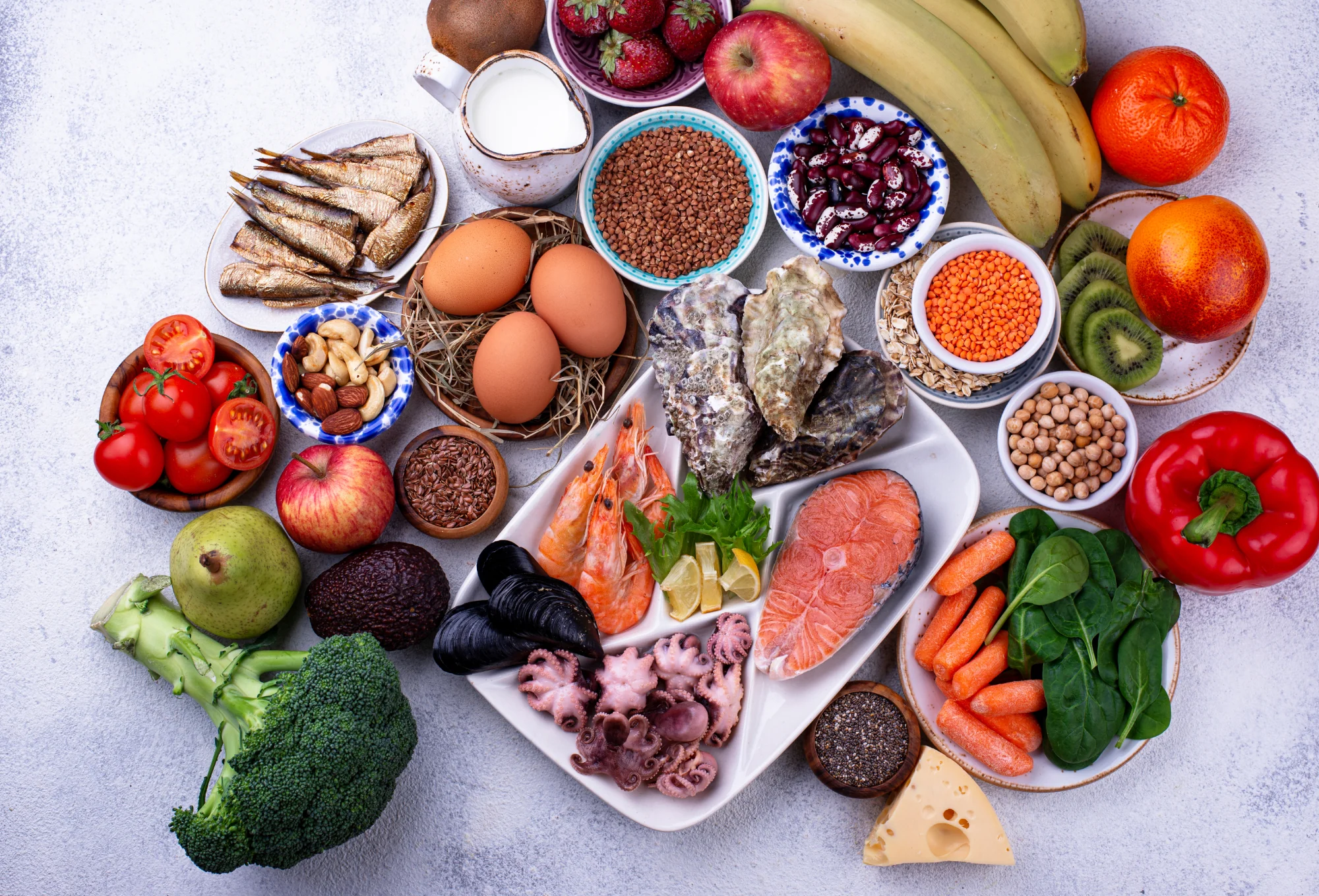
One of the most important things you can do to stay healthy, get more energy, and avoid getting chronic diseases is to eat well. A lot of confusing diet knowledge can make things hard for people who are just starting out. A healthy diet is easier to follow than it looks, though. It means eating the right kinds of foods in the right amounts to make sure your body gets all the nutrients it needs to work at its best. A healthy diet is a long-term way to improve your health that is good for both your body and your mind.
How to Eat a Balanced Diet
In the right amounts, a healthy meal includes carbs, proteins, fats, vitamins, minerals, fiber, and water. It’s not important to stick to strict rules or cut out whole food groups. What’s important is to make a plan so your body gets the nutrients it needs. The body gets most of its energy from carbs, so eating lots of whole grains, fruits, and veggies will keep you going all day. Proteins are very important for keeping muscles healthy, building and healing cells, and keeping the immune system strong. Getting critical amino acids from foods like lean meat, fish, eggs, beans, and nuts is important for health. Olive oil, nuts, seeds, and fatty fish are all good sources of healthy fats that your brain needs to work, your hormones to stay balanced, and your body to absorb certain vitamins. Fruits, veggies, and whole grains are all high in fiber, which helps your body digest food and keep your gut healthy. Lastly, drinking water every day is important for all body processes, from digestion to keeping up energy.
Why a Healthy Diet Is Important
There are many perks to eating a healthy diet that go beyond your physical health. Eating the right mix of nutrients keeps your energy levels steady, so you don’t have to worry about the energy crashes and mood swings that come from eating processed or sugary foods. A varied diet also helps you keep a healthy weight by making you feel full and stopping you from eating too much. A food full of important minerals and vitamins makes the immune system stronger, which makes it easier for the body to fight off infections. Good diet also helps keep the brain healthy. Some foods, like omega-3 fatty acids and vitamins, can help your brain work better, remember things, and concentrate better. Eating a healthy diet lowers your chance of getting long-term diseases like diabetes, heart disease, obesity, and some types of cancer. This means that it is an investment in your health that will pay off in the long run.
Putting together a healthy diet for the first time
It can be hard to put together a balanced meal if you are new to healthy eating. The important thing is to start slowly and make small changes that you can handle instead of trying to make big changes all at once. You will get a lot of different nutrients if you eat a variety of things at each meal. For example, eating lean meats along with whole grains and colored veggies helps the body stay healthy and full of energy. Keeping an eye on portions is also important. Paying attention to plate sizes can help you stay in balance. Eating too much of even the healthiest foods can make you gain weight. Another helpful tip is to plan your meals ahead of time. Making meals ahead of time makes it less tempting to eat bad snacks or fast food. Keeping fresh fruits, nuts, or yogurt on hand is a simple way to make it easier to eat healthy foods throughout the day. It’s also important to pay attention to your body. Listen to your body when it tells you it’s hungry or full, and change what you eat based on how you feel, how active you are, and your health goals.
How to Make Balanced Eating Last
For healthy food to last, regularity is more important than perfection. It takes some freedom to fit a healthy food into your daily life. Treats are fine once in a while, but they shouldn’t take the place of healthy meals. Mindful eating can help people who are new to it get along better with food. Taking the time to enjoy meals, eating without distractions, and paying attention to signs of hunger can help your stomach and keep you from eating too much. During the day, you should stay hydrated by drinking water and eating foods that are high in water, like tomatoes, oranges, and cucumbers. Over time, these small, deliberate choices add up to a habit that doesn’t feel forced or overwhelming but rather natural and long-lasting.
Useful Examples for a Beginner
A beginner might eat cereal with fresh fruit and a handful of nuts for breakfast. This will give them energy, protein, and healthy fats to start the day. For lunch, you could have quinoa, brown rice, grilled chicken, or beans with a number of different colored veggies. As a mid-afternoon snack, you could eat some yogurt with sliced fruit or a small handful of nuts. Fish baked in the oven with roasted veggies and whole grains on the side could be dinner. These easy meal ideas show that a healthy diet can taste great, be quick and easy to make, and fill you up. Variety, amount control, and careful planning are the keys.
FAQ: How to Start a Balanced Diet
How do I tell if the food I eat is balanced?
If you usually eat a range of fruits and veggies, protein, carbs, healthy fats, and fiber, then your diet is properly balanced. It can also help to pay attention to how your body feels in terms of hunger and fullness.
Can a healthy, well-balanced meal help you keep your weight in check?
Yes. Eating nutrient-dense foods in the right amounts can help you stay at a healthy weight over time and stop you from overeating.
Question 3: Do I need vitamins to eat a healthy diet?
Whole foods are the best way to get most of the nutrients you need. Supplements may only be needed in certain situations, like when there are deficits or food limits. You should talk to a doctor or nurse about this.
A4: Is it okay to have treats once in a while as part of a healthy diet?
Of course. The key is moderation. Treats every once in a while are part of a healthy, long-term diet and can help keep you from feeling stifled.
How can people who are just starting out make it easy to eat a healthy diet?
Start by eating easy, nutrient-dense foods, planning your meals ahead of time, drinking plenty of water, and paying attention to your body. Instead of making big changes all at once, build stability over time.
In conclusion
A good food is an important part of having a healthy life. It gives the body the nutrients it needs, promotes mental and physical health, and lowers the risk of getting chronic diseases. Instead of tight rules or harsh diets, people who are just starting out should focus on eating a range of foods in moderation and with awareness. Anyone can make a healthy diet that they can stick to and enjoy by slowly adding a variety of nutrient-rich foods, watching their amount sizes, and staying hydrated. Making these decisions every day will lead to better health, more energy, and a general sense of well-being.